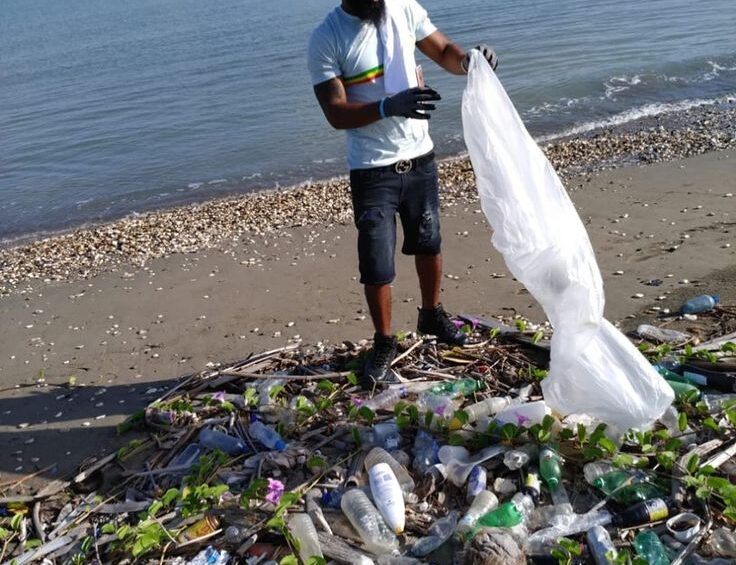
Plastic pollution has become one of the most serious environmental challenges facing communities today. From streets and waterways to farmlands and markets, plastic waste threatens human health, ecosystems, and food security. At Obasi Arreh Community Common Interest Group (OAC), plastic waste reduction campaigns are a key part of our commitment to environmental stewardship and sustainable development.
The Growing Threat of Plastic Pollution
Plastic waste is persistent, non-biodegradable, and increasingly widespread. Improperly discarded plastics clog drainage systems, contaminate soil and water, and harm wildlife. In agricultural communities, plastic pollution poses a direct threat to food production by degrading soil quality and polluting water sources essential for farming.
As plastic production continues to rise globally, local communities are often left to manage the environmental consequences. Addressing this challenge requires awareness, behavior change, and collective action.
Why Plastic Waste Reduction Matters
Reducing plastic waste is not only an environmental issue—it is a food security issue. Polluted soil reduces crop productivity, while contaminated water affects both irrigation and human health. By tackling plastic pollution, communities protect the natural resources that sustain agriculture and livelihoods.
Plastic waste reduction also improves public health, enhances community cleanliness, and contributes to climate change mitigation by reducing reliance on single-use plastics.
Community-Led Awareness Campaigns
OAC’s plastic waste reduction efforts begin with education and awareness. We organize community meetings, school programs, and public sensitization campaigns to inform people about the dangers of plastic pollution and the importance of responsible waste disposal.
By engaging local leaders, youth groups, and women’s associations, our campaigns encourage collective responsibility and community ownership of environmental protection efforts.
Promoting Practical Solutions
Beyond awareness, OAC promotes practical alternatives to single-use plastics. These include encouraging the use of reusable water bottles, bags, and containers, as well as supporting proper waste segregation and recycling where possible.
Clean-up activities form an important part of our campaigns, helping to remove existing plastic waste from streets, markets, and farmlands while reinforcing positive environmental behaviors.
Protecting Agriculture and Natural Resources
Plastic waste in farmland interferes with soil structure, limits water absorption, and affects crop growth. Through targeted campaigns, OAC works with farmers to reduce plastic contamination in agricultural areas and protect water sources used for irrigation.
These actions directly support sustainable agriculture and contribute to long-term food security for local communities.
Engaging Youth and Schools
Youth and children play a critical role in shaping future environmental behavior. OAC integrates plastic waste education into school and youth programs, teaching young people simple actions they can take to reduce plastic use and protect their surroundings.
By empowering young people, we help create a generation that values environmental responsibility and sustainable living.
Long-Term Impact and Community Resilience
Plastic waste reduction campaigns create lasting benefits. Cleaner environments support healthier communities, more productive farmland, and stronger local economies. Over time, reduced plastic pollution leads to improved ecosystem health and greater resilience to environmental and climate-related challenges.
Conclusion
Plastic waste reduction is a shared responsibility that requires awareness, action, and commitment. Through community-led campaigns, practical solutions, and continuous education, Obasi Arreh Community Common Interest Group (OAC) is working to reduce plastic pollution and protect the environment that sustains our food systems and communities.
Together, we can create cleaner environments, healthier livelihoods, and a more sustainable future for generations to come.



3 Comments
This is exactly what i was looking for, thank you so much for these tutorials
It would be great to try this theme for my businesses
What a nice article. It keeps me reading more and more!