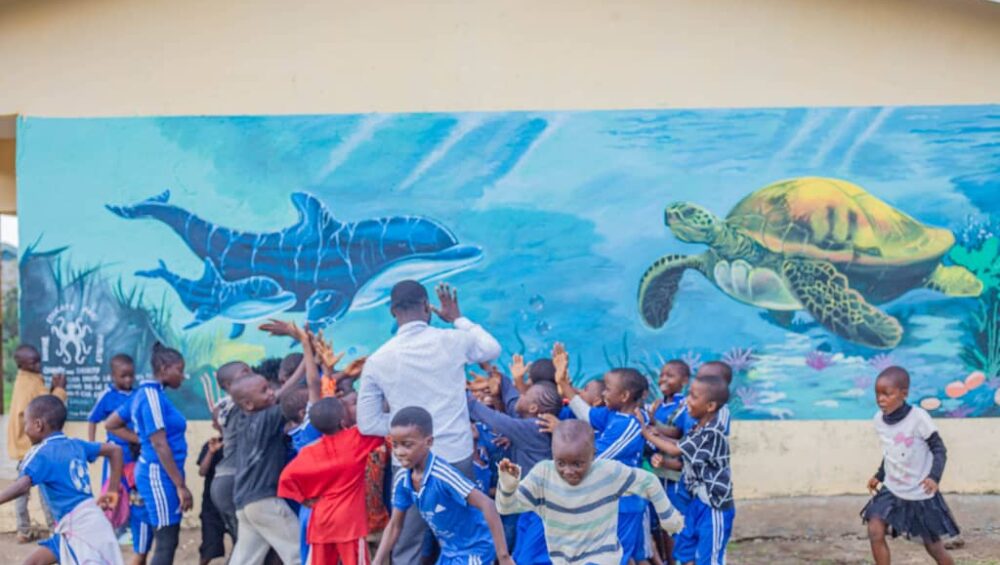
Children are the foundation of every community’s future. The values, knowledge, and habits they learn at a young age shape how they will care for their environment, support food security, and contribute to community development as adults. Community training and awareness programs that include children are therefore essential for building long-term, sustainable change.
Why Focus on Children?
Children are naturally curious, eager to learn, and open to new ideas. When they are introduced early to concepts such as environmental protection, sustainable agriculture, and community responsibility, these ideas become part of their daily lives.
By educating children, communities are not only addressing today’s challenges but also preparing future leaders who will protect natural resources and promote sustainable practices.
Teaching Sustainability from an Early Age
Community awareness programs for children focus on simple, practical lessons that are easy to understand and apply. Topics include caring for the environment, keeping surroundings clean, respecting farmland, and understanding where food comes from.
Through storytelling, demonstrations, school activities, and community events, children learn the importance of soil, water, and plants in supporting life. These lessons encourage respect for nature and responsible behavior.
Environmental Awareness and Good Habits
One of the key areas of training for children is environmental awareness. Children are taught about the dangers of plastic pollution, improper waste disposal, and environmental neglect. Simple actions such as proper waste disposal, recycling, and reducing plastic use help instill lifelong habits.
When children practice these habits at home and in school, they influence their families and peers, creating a ripple effect of positive change throughout the community.
Understanding Food and Farming
Teaching children about farming and food production helps them appreciate the hard work behind the food they eat. Community programs introduce children to basic agricultural concepts, including plant growth, soil care, and the importance of sustainable farming.
This knowledge builds respect for farmers, encourages interest in agriculture, and strengthens the connection between food security and environmental protection.
Building Confidence and Responsibility
Community training programs also help children develop confidence, teamwork, and leadership skills. Participating in group activities, clean-up campaigns, and awareness events allows children to feel valued and responsible for their community.
These experiences nurture a sense of ownership and pride, motivating children to become positive contributors to community wellbeing.
The Long-Term Impact on Communities
When children grow up with strong awareness of sustainability and community responsibility, the long-term benefits are significant. Communities become more environmentally conscious, food systems become more resilient, and future generations are better prepared to address climate and development challenges.
Conclusion
Community training and awareness for children are powerful investments in the future. By educating young minds, communities plant the seeds for lasting change, responsible leadership, and sustainable development.
At Obasi Arreh Community Common Interest Group (OAC), we believe that empowering children with knowledge today will help build stronger, healthier, and more resilient communities tomorrow.




3 Comments
This is exactly what i was looking for, thank you so much for these tutorials
It would be great to try this theme for my businesses
What a nice article. It keeps me reading more and more!