Sustainable Plantain Farming: Strengthening Food Security While Protecting the Environment

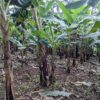
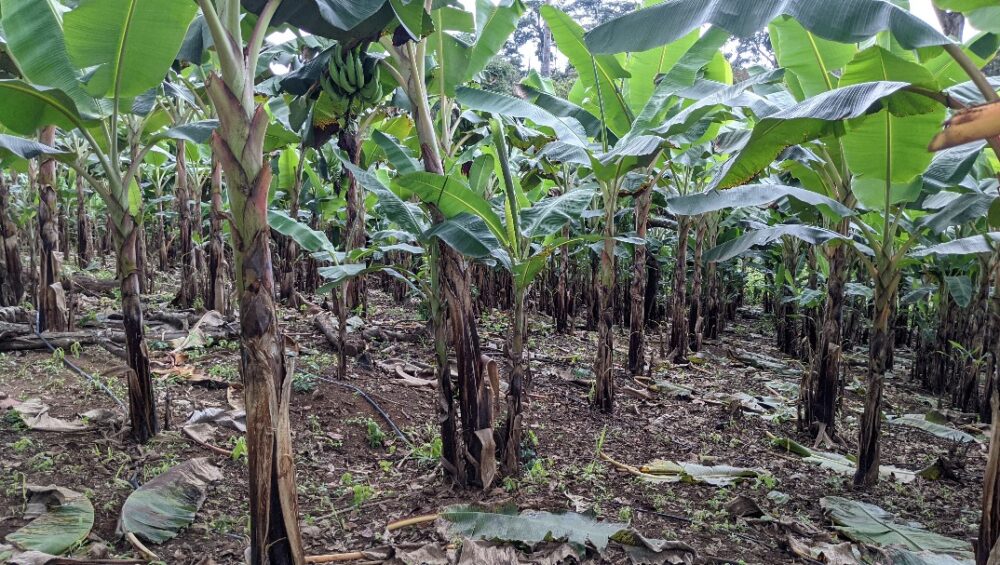
Plantain is more than just a crop—it is a staple food, a source of income, and a pillar of food security for many households in Cameroon. In the Southwest Region, plantain farming supports thousands of families and contributes significantly to local economies. However, unsustainable farming practices, environmental degradation, and climate change increasingly threaten plantain production. This is why sustainable plantain farming is essential for both present and future generations.

What Is Sustainable Plantain Farming?

Sustainable plantain farming is an agricultural approach that balances productivity with environmental protection. It focuses on producing healthy yields while preserving soil fertility, conserving water, protecting biodiversity, and minimizing harm to the ecosystem. Rather than exhausting the land, sustainable practices ensure that farmland remains productive year after year.

This approach recognizes that long-term food security depends not only on increasing output but also on maintaining the natural resources that make farming possible.

Why Plantain Matters for Food Security

Plantains are a major staple food in Cameroon, consumed daily in many households. They provide essential nutrients, are affordable, and can be prepared in many forms. For smallholder farmers, plantain farming is also a reliable source of income.

As populations grow and food demand increases, ensuring a steady supply of plantains becomes increasingly important. Sustainable plantain farming helps stabilize production, reduce the risk of crop failure, and protect communities from food shortages.

Key Sustainable Farming Practices

Sustainable plantain farming involves a range of environmentally friendly and climate-smart practices, including:

  • Soil conservation: Using organic manure, mulching, and crop rotation to maintain soil fertility and prevent erosion.
  • Responsible land use: Avoiding deforestation and overuse of land to protect ecosystems and biodiversity.
  • Water management: Protecting water sources and using efficient irrigation methods where necessary.
  • Integrated pest management: Reducing reliance on harmful chemicals by using natural pest control methods.
  • Climate-resilient techniques: Adapting farming methods to changing weather patterns and unpredictable rainfall.

These practices not only protect the environment but also improve crop resilience and long-term productivity.

Empowering Farmers Through Knowledge

A critical part of sustainable plantain farming is farmer education. Many smallholder farmers face challenges due to limited access to training, resources, and modern agricultural knowledge. By providing training, demonstrations, and continuous support, farmers learn how to improve yields without degrading their land.

When farmers understand sustainable techniques, they gain greater control over their livelihoods, reduce production risks, and increase household income.

Environmental Benefits

Sustainable plantain farming plays a vital role in environmental protection. Healthy soils absorb more water and carbon, helping to reduce the effects of climate change. Reduced chemical use protects nearby water sources, wildlife, and human health. By preserving farmland and surrounding ecosystems, communities contribute to broader climate change mitigation and adaptation efforts.

Building Community Resilience

Beyond farming, sustainable plantain production strengthens entire communities. Increased yields and stable income improve living standards, support education, and enhance food availability at the local level. Communities that farm sustainably are better equipped to withstand climate shocks, market fluctuations, and environmental challenges.

Looking to the Future

Sustainable plantain farming is not just an agricultural practice—it is an investment in people, the environment, and long-term food security. By integrating environmental stewardship with economic productivity, communities can meet today’s needs while safeguarding resources for future generations.

At Obasi Arreh Community Common Interest Group (OAC), sustainable plantain farming remains central to our mission. Through responsible agriculture, community training, and environmental protection, we continue to work toward a future where food security and a healthy environment go hand in hand.
Sustainable Plantain Farming: A Pathway to Resilient Communities

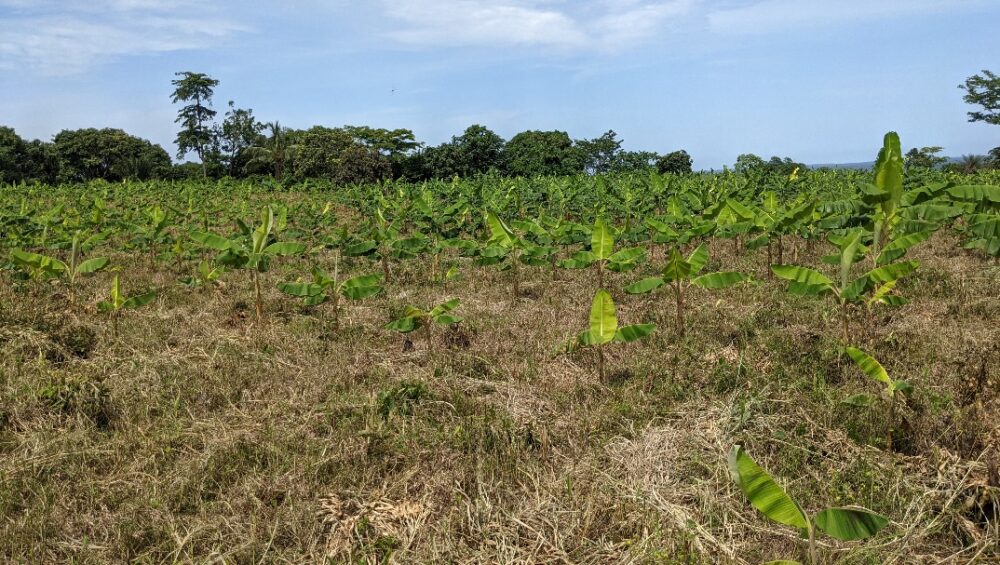
Across the Southwest Region of Cameroon, plantain farming plays a vital role in daily nutrition and household income. For many families, plantain is not only a staple food but also a dependable source of livelihood. As environmental pressures and climate change increase, adopting sustainable plantain farming practices has become essential to protecting both food security and the environment.

The Challenge Facing Plantain Farmers

Smallholder farmers today face multiple challenges, including declining soil fertility, unpredictable rainfall, pest outbreaks, and environmental degradation. Traditional farming methods, when practiced without sustainability in mind, can exhaust the land and reduce long-term productivity. These challenges make it difficult for farmers to maintain consistent yields and stable incomes.

Sustainable plantain farming offers practical solutions to these growing problems.

Sustainable Practices That Make a Difference

Sustainable plantain farming focuses on working with nature rather than against it. Key practices include improving soil health through organic inputs, mulching, and proper spacing of crops. These methods help retain moisture, reduce erosion, and enhance nutrient availability.

Farmers are also encouraged to protect surrounding forests and water sources, recognizing that healthy ecosystems directly support agricultural productivity. Reduced use of harmful chemicals further protects the environment and promotes safer food production.

Adapting to Climate Change

Climate change has introduced new uncertainties for farmers, including prolonged dry seasons and intense rainfall. Sustainable plantain farming promotes climate-smart techniques that help crops withstand these conditions. By selecting resilient planting methods and improving water management, farmers can reduce crop losses and increase their ability to adapt to changing weather patterns.

Improving Livelihoods and Local Economies

When farmers adopt sustainable practices, the benefits extend beyond the farm. Increased yields and better-quality produce lead to improved household incomes. With greater financial stability, families can invest in education, healthcare, and other essential needs.

At the community level, sustainable plantain farming strengthens local food systems, reduces dependence on external food supplies, and supports economic resilience.

Environmental Protection and Long-Term Impact

Healthy farmland depends on clean soil, water, and air. Sustainable plantain farming helps protect these natural resources by minimizing pollution and encouraging responsible land use. These efforts contribute to climate change mitigation while preserving the environment for future generations.

A Sustainable Future for Food Security

Sustainable plantain farming is more than an agricultural technique—it is a long-term commitment to community wellbeing and environmental stewardship. By combining food production with ecological responsibility, communities can secure reliable harvests today while protecting the land for tomorrow.

Through continued training, awareness, and support, Obasi Arreh Community Common Interest Group (OAC) remains dedicated to promoting sustainable plantain farming as a foundation for resilient communities and lasting food security.

Plastic Waste Reduction Campaigns: Protecting Our Environment and Food Systems

Plastic pollution has become one of the most serious environmental challenges facing communities today. From streets and waterways to farmlands and markets, plastic waste threatens human health, ecosystems, and food security. At Obasi Arreh Community Common Interest Group (OAC), plastic waste reduction campaigns are a key part of our commitment to environmental stewardship and sustainable development.

The Growing Threat of Plastic Pollution

Plastic waste is persistent, non-biodegradable, and increasingly widespread. Improperly discarded plastics clog drainage systems, contaminate soil and water, and harm wildlife. In agricultural communities, plastic pollution poses a direct threat to food production by degrading soil quality and polluting water sources essential for farming.

As plastic production continues to rise globally, local communities are often left to manage the environmental consequences. Addressing this challenge requires awareness, behavior change, and collective action.

Why Plastic Waste Reduction Matters

Reducing plastic waste is not only an environmental issue—it is a food security issue. Polluted soil reduces crop productivity, while contaminated water affects both irrigation and human health. By tackling plastic pollution, communities protect the natural resources that sustain agriculture and livelihoods.

Plastic waste reduction also improves public health, enhances community cleanliness, and contributes to climate change mitigation by reducing reliance on single-use plastics.

Community-Led Awareness Campaigns

OAC’s plastic waste reduction efforts begin with education and awareness. We organize community meetings, school programs, and public sensitization campaigns to inform people about the dangers of plastic pollution and the importance of responsible waste disposal.

By engaging local leaders, youth groups, and women’s associations, our campaigns encourage collective responsibility and community ownership of environmental protection efforts.

Promoting Practical Solutions

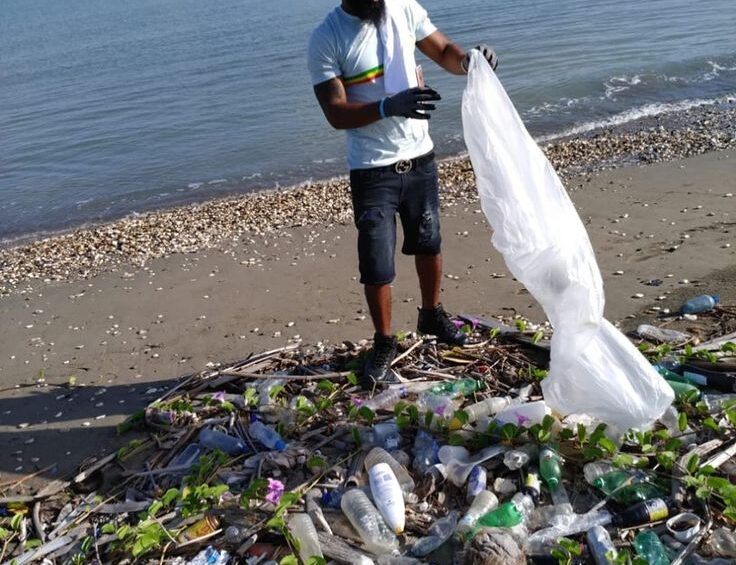
Beyond awareness, OAC promotes practical alternatives to single-use plastics. These include encouraging the use of reusable water bottles, bags, and containers, as well as supporting proper waste segregation and recycling where possible.

Clean-up activities form an important part of our campaigns, helping to remove existing plastic waste from streets, markets, and farmlands while reinforcing positive environmental behaviors.

Protecting Agriculture and Natural Resources

Plastic waste in farmland interferes with soil structure, limits water absorption, and affects crop growth. Through targeted campaigns, OAC works with farmers to reduce plastic contamination in agricultural areas and protect water sources used for irrigation.

These actions directly support sustainable agriculture and contribute to long-term food security for local communities.

Engaging Youth and Schools

Youth and children play a critical role in shaping future environmental behavior. OAC integrates plastic waste education into school and youth programs, teaching young people simple actions they can take to reduce plastic use and protect their surroundings.

By empowering young people, we help create a generation that values environmental responsibility and sustainable living.

Long-Term Impact and Community Resilience

Plastic waste reduction campaigns create lasting benefits. Cleaner environments support healthier communities, more productive farmland, and stronger local economies. Over time, reduced plastic pollution leads to improved ecosystem health and greater resilience to environmental and climate-related challenges.

Conclusion

Plastic waste reduction is a shared responsibility that requires awareness, action, and commitment. Through community-led campaigns, practical solutions, and continuous education, Obasi Arreh Community Common Interest Group (OAC) is working to reduce plastic pollution and protect the environment that sustains our food systems and communities.

Together, we can create cleaner environments, healthier livelihoods, and a more sustainable future for generations to come.